📚
Training
Providing training programs for waste management and recycling practices
Capacity building
ALATAN is an AI-adaptive data network designed for waste and environmental management through circular economy solutions. It leverages artificial intelligence to collect, analyse, and apply data that drive smarter decisions, enhance resource recovery, and support sustainable community development.
Collect waste images and updates from the field.
Organize dumpsites, workers, and activities.
Translate structured data into better decisions.
Live banner
Field reporting
Cleaner decisions start with clearer field data.
About ALATAN
At ALATAN, we work with communities and policymakers to drive meaningful change through effective waste management and recycling programmes. Our initiatives improve the livelihoods of the poorest and most marginalised populations, promote environmental protection, and contribute to a cleaner, more sustainable planet locally and globally. This is an AI-driven solution with real purpose to transform lives and protect the environment.
Providing training programs for waste management and recycling practices
Capacity building
Organizing waste collection, sorting, and recycling initiatives for communities
Community coordination
Research and development of innovative waste management technologies
Processing infrastructure
Promoting a cleaner and healthier environment through effective waste management
Safer e-waste handling
Workflow
The interface keeps field data, operational data, and review tools in one place.
Field teams document waste conditions, site activity, and updates from the ground.
Workers, dumpsites, and operations are brought into a clearer system of record.
Structured reporting supports stronger decisions, accountability, and impact.
Welcome
It is transformational work that will change how people across the world think about waste - turning waste from a problem into an opportunity.
Creating innovative and comprehensive development approaches that enable the radical transformation needed to address our waste crisis.
Newspapers, cartons and office paper—best kept dry and clean for fiber recovery.
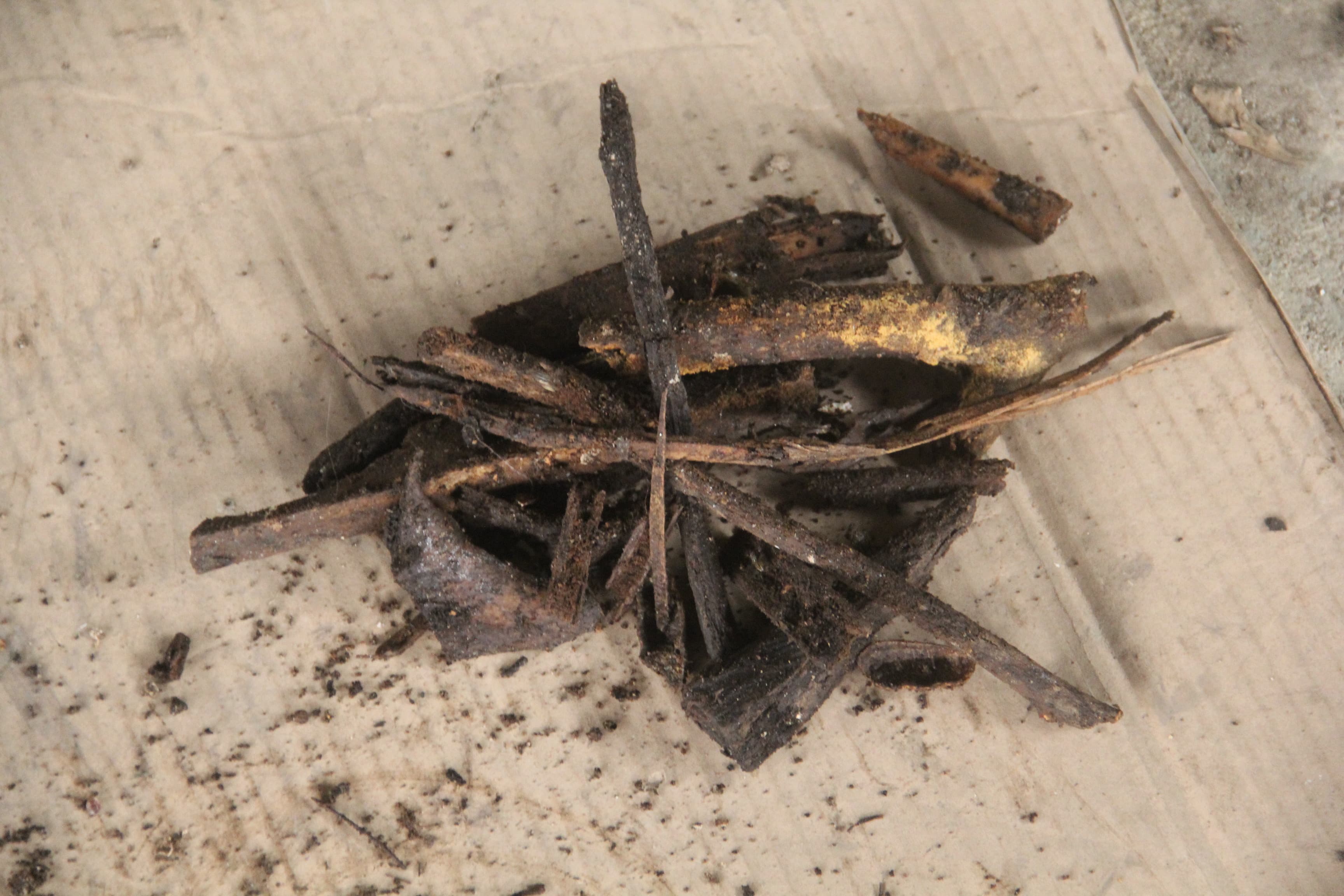
Food scraps, yard trimmings and other biodegradable waste suitable for composting.
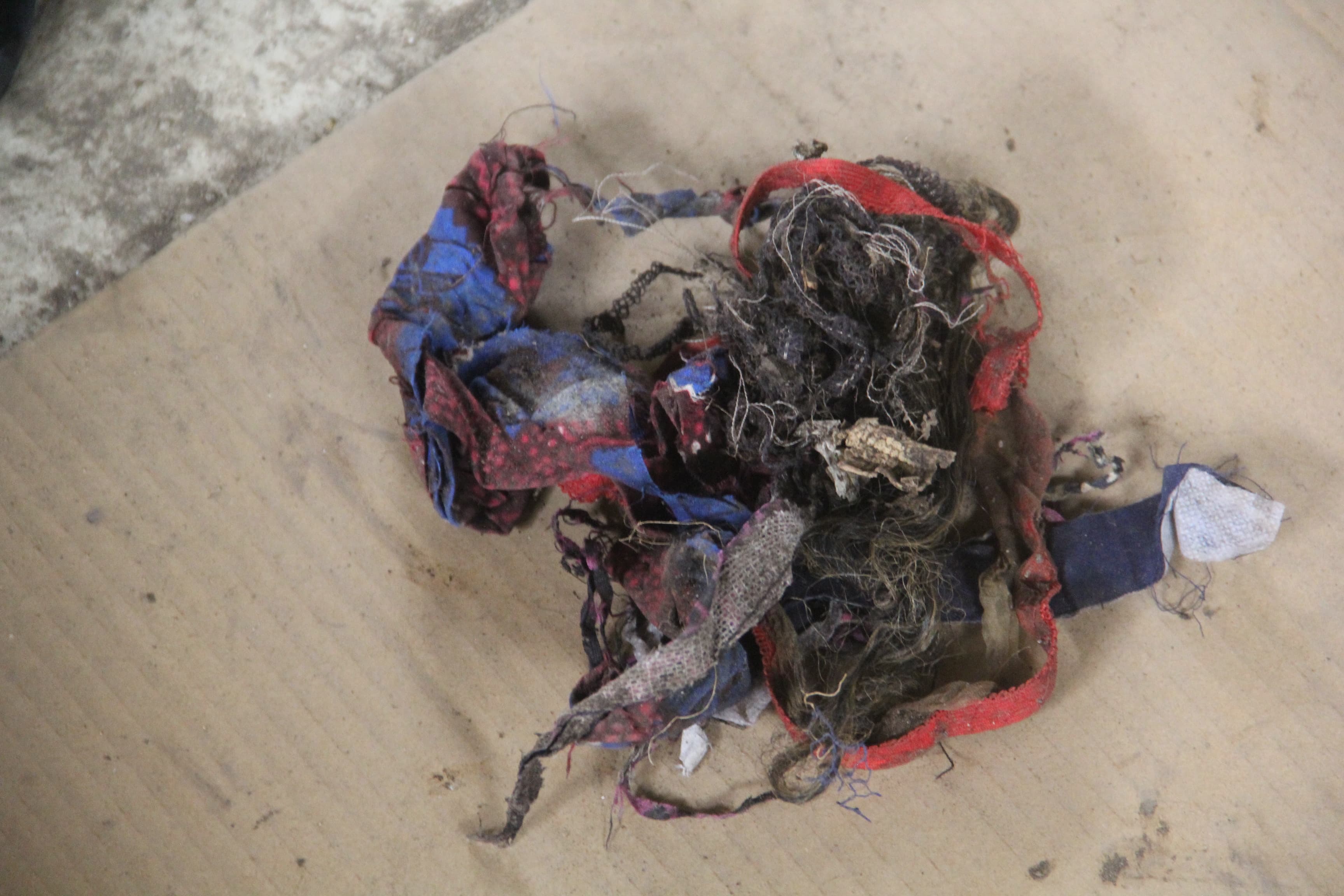
Sample waste type for testing purposes.

Bottles and jars; color-sorted glass can be endlessly recycled.
Gallery
A visual snapshot of the people, places, and progress behind the work.
See the full story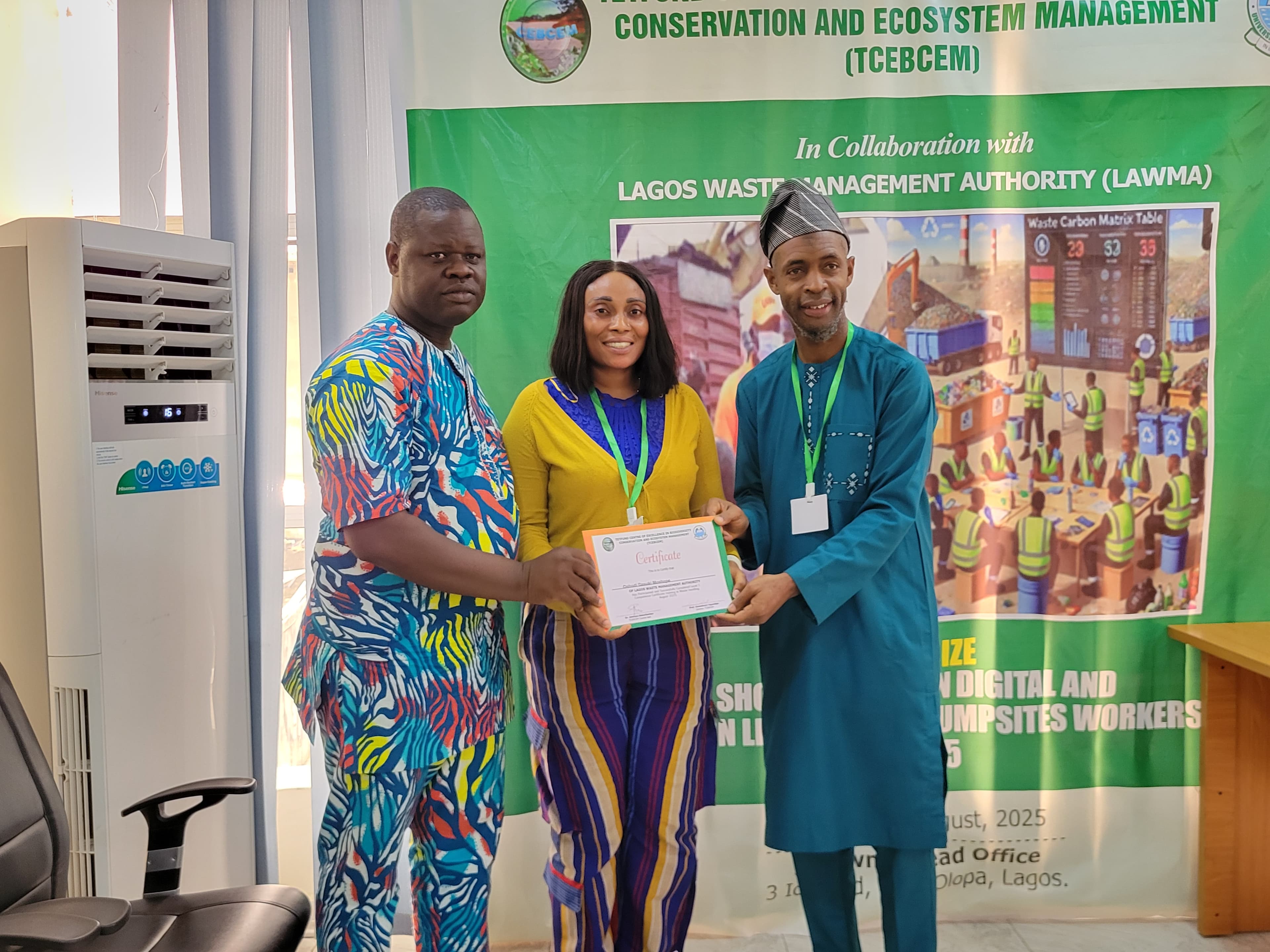
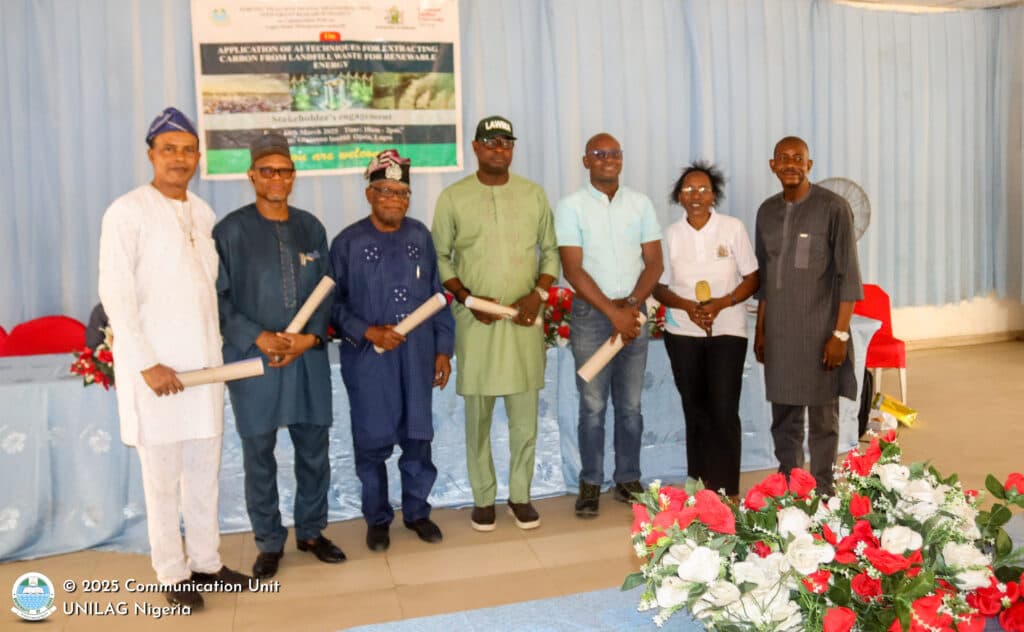
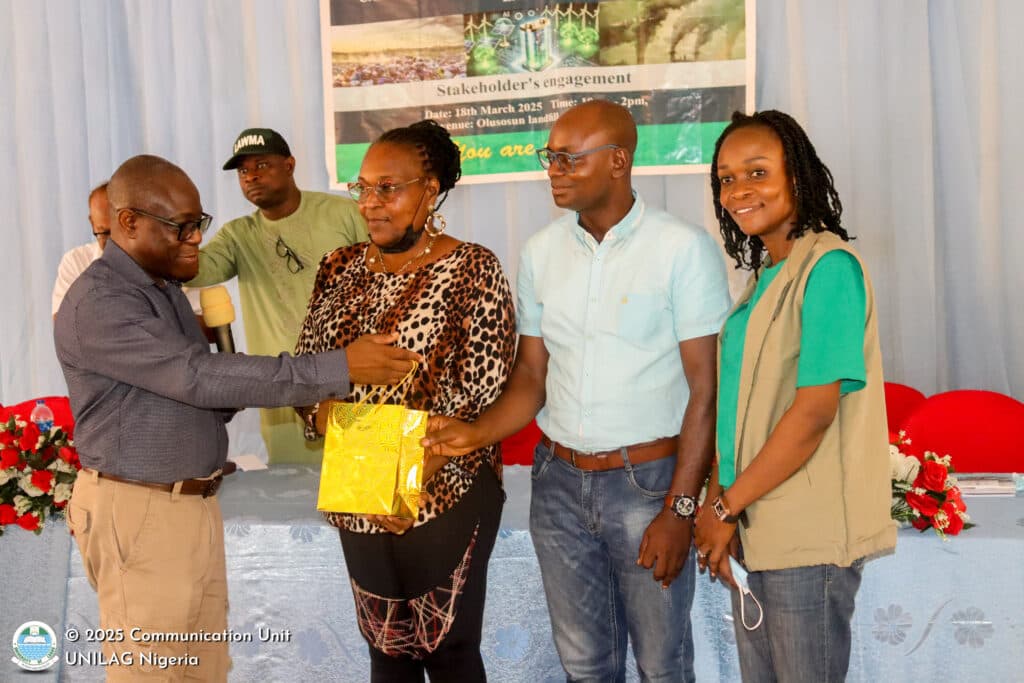
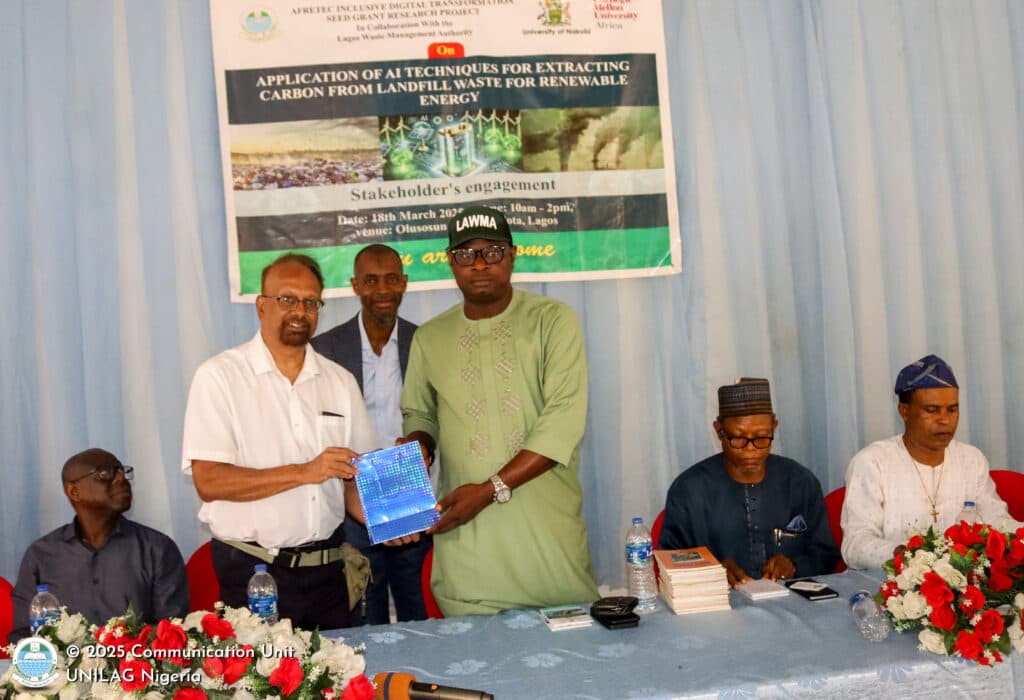
Stakeholders recognized for their contributions to sustainable waste management practices.
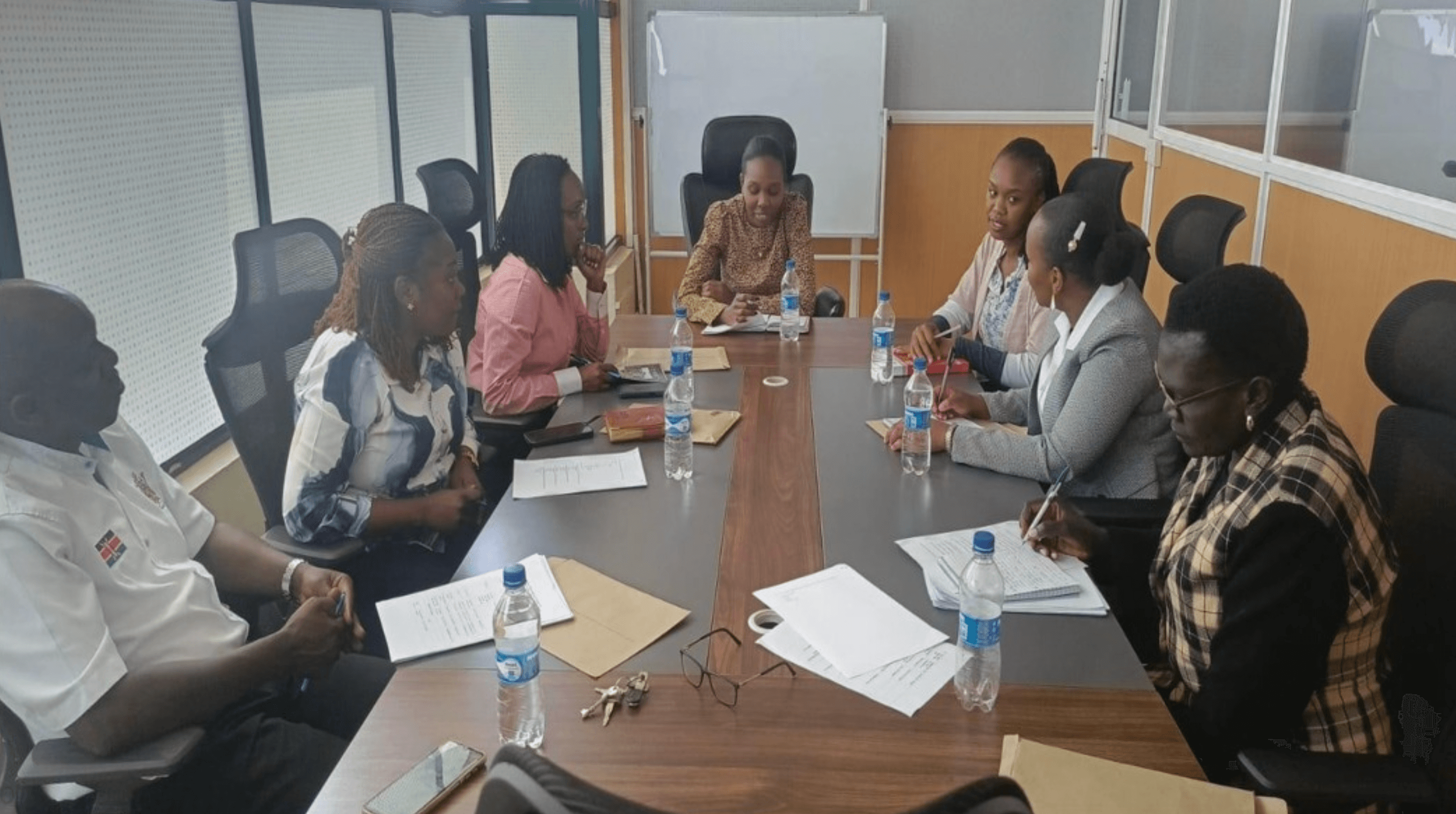
Focused group discussions with waste management companies.
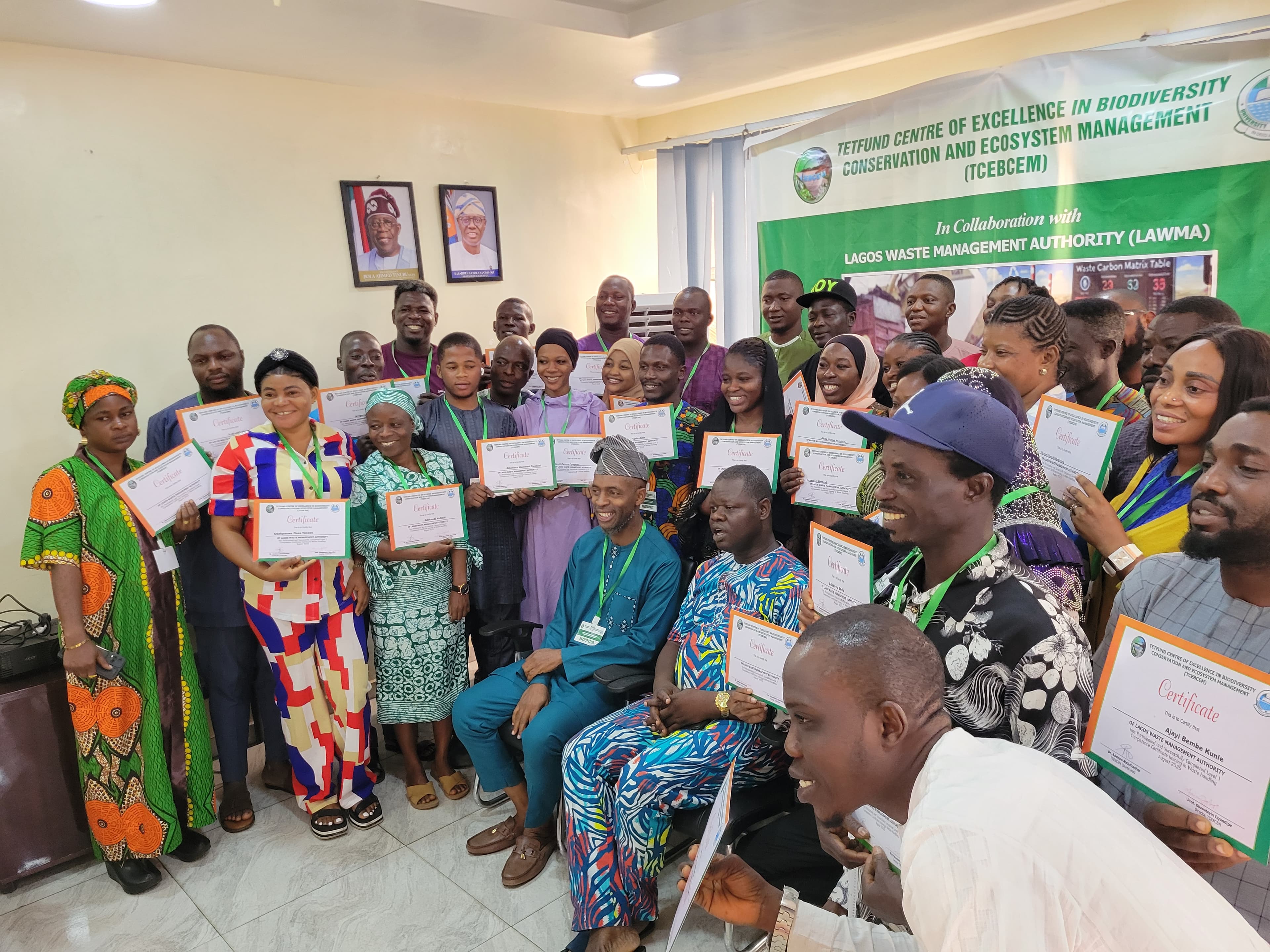
Training completion certificates awarded to participants of the dumpsite management workshop.
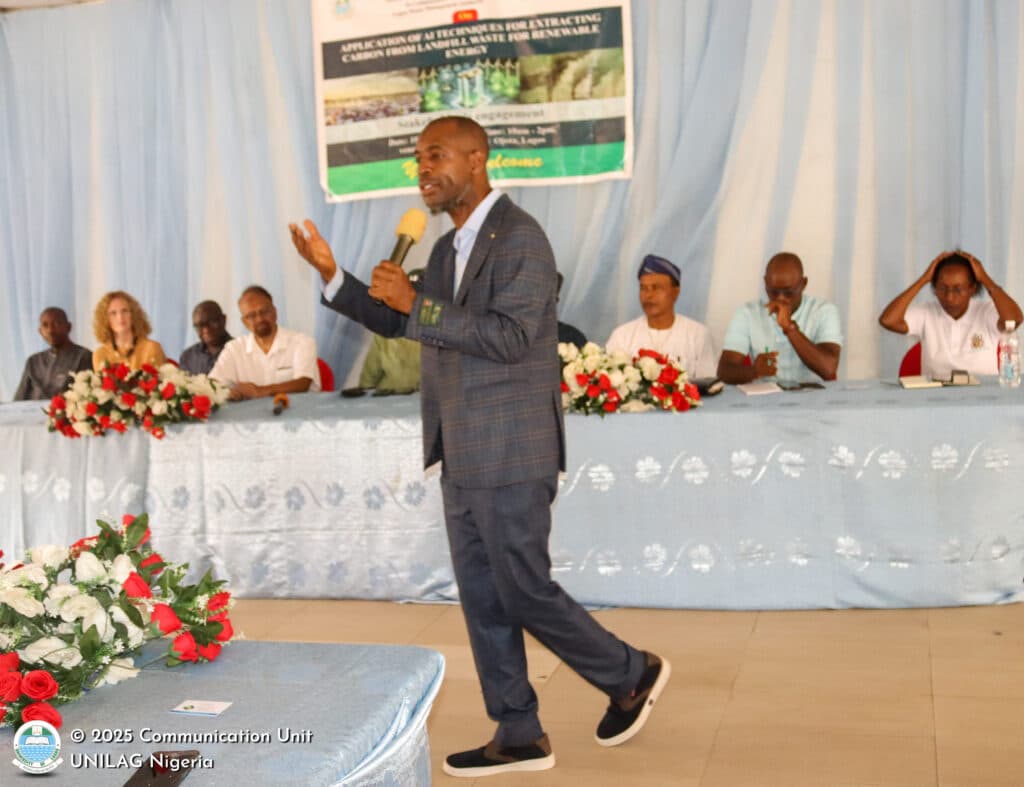
A workshop conducted at the Olusosun dumpsite in Lagos, Nigeria, to raise awareness about sustainable waste management practices.
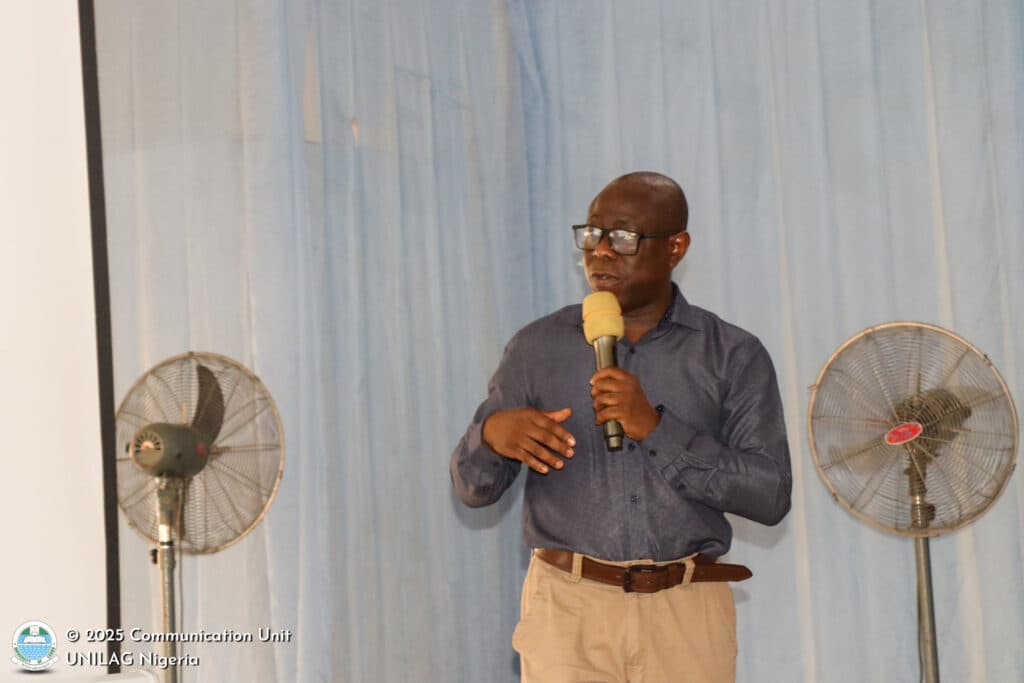
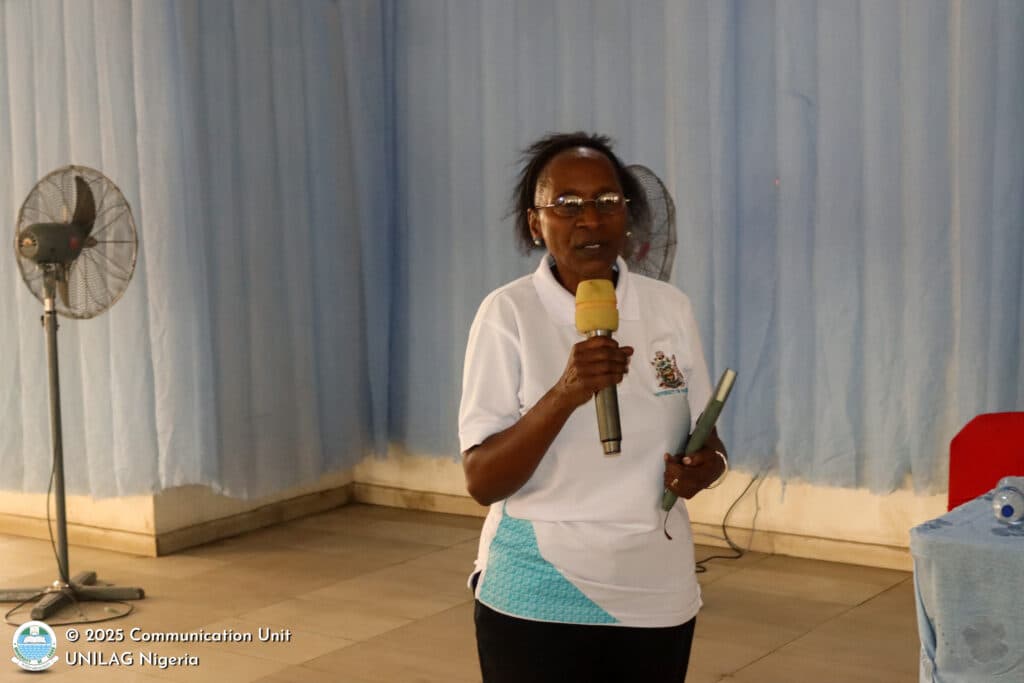
An AI expert delivering a presentation on the use of artificial intelligence in waste characterization and management.
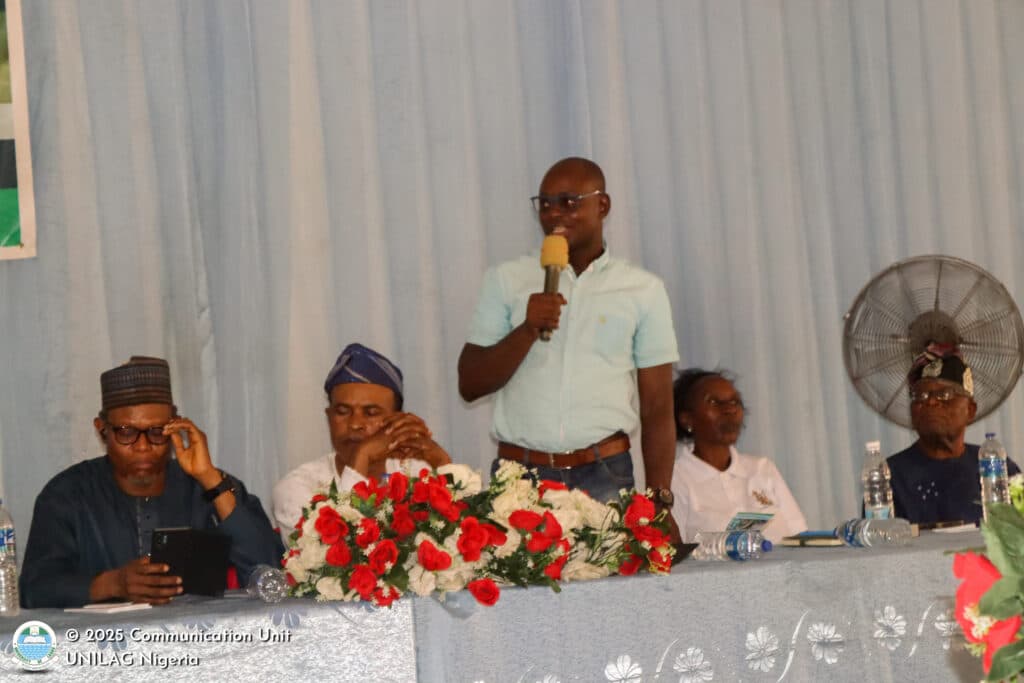
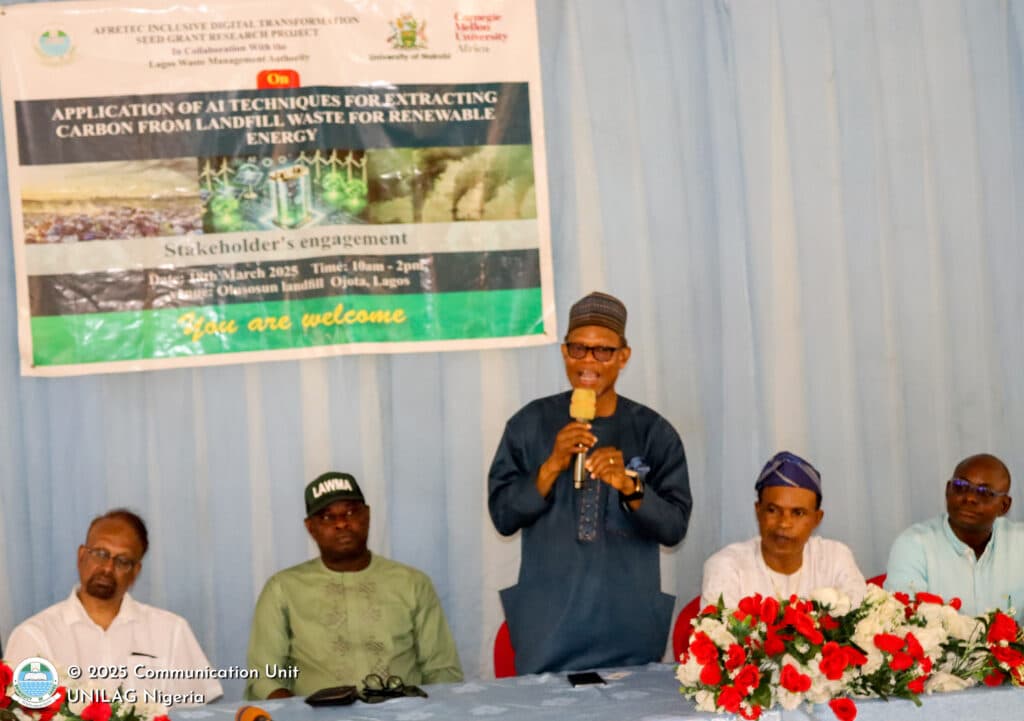
A representative from a dumpsite management company discussing operational challenges and solutions.
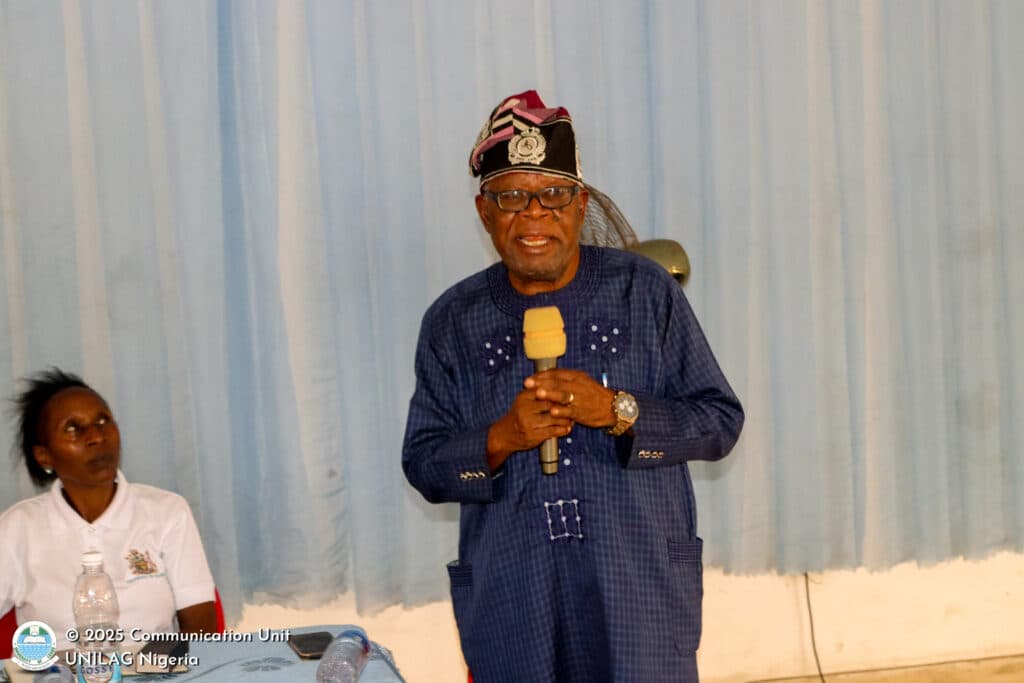
Awareness talk focusing on waste segregation and responsible disposal at dumpsites.
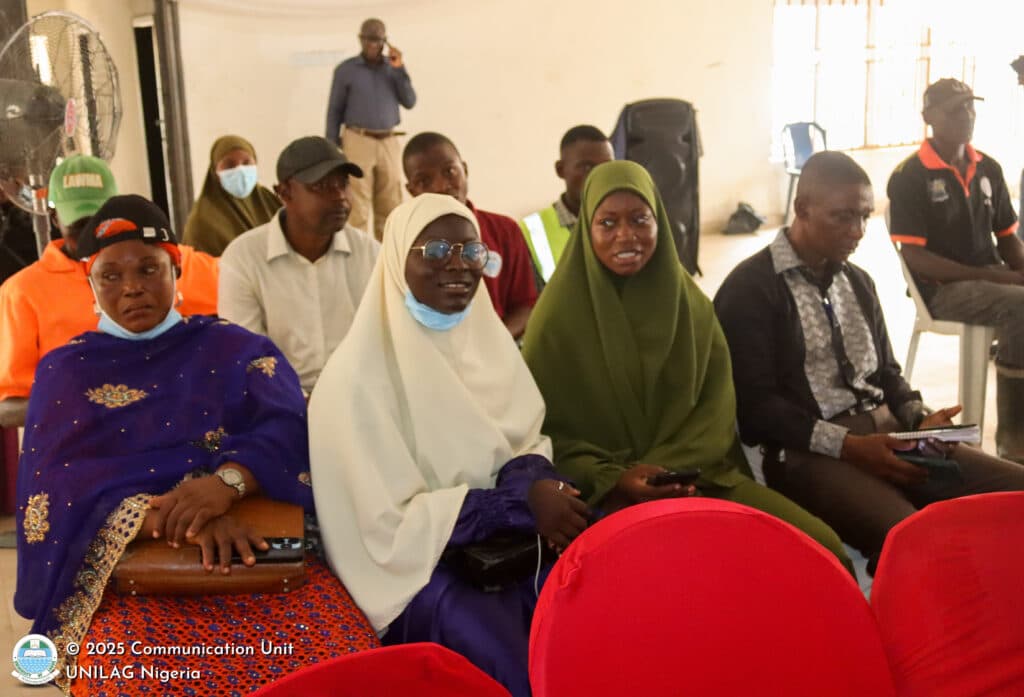
An overview of planned dumpsite management initiatives and upcoming projects.
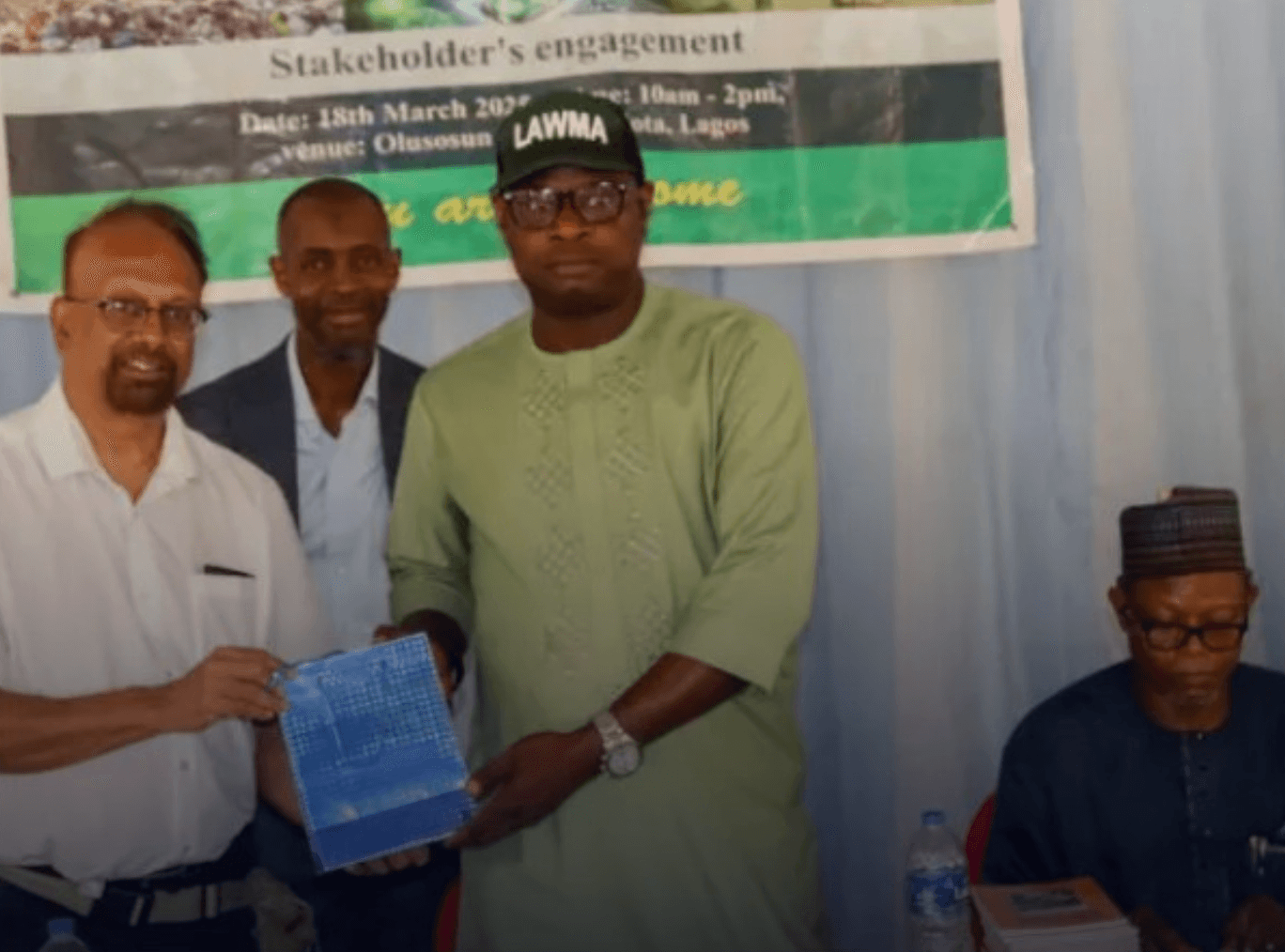
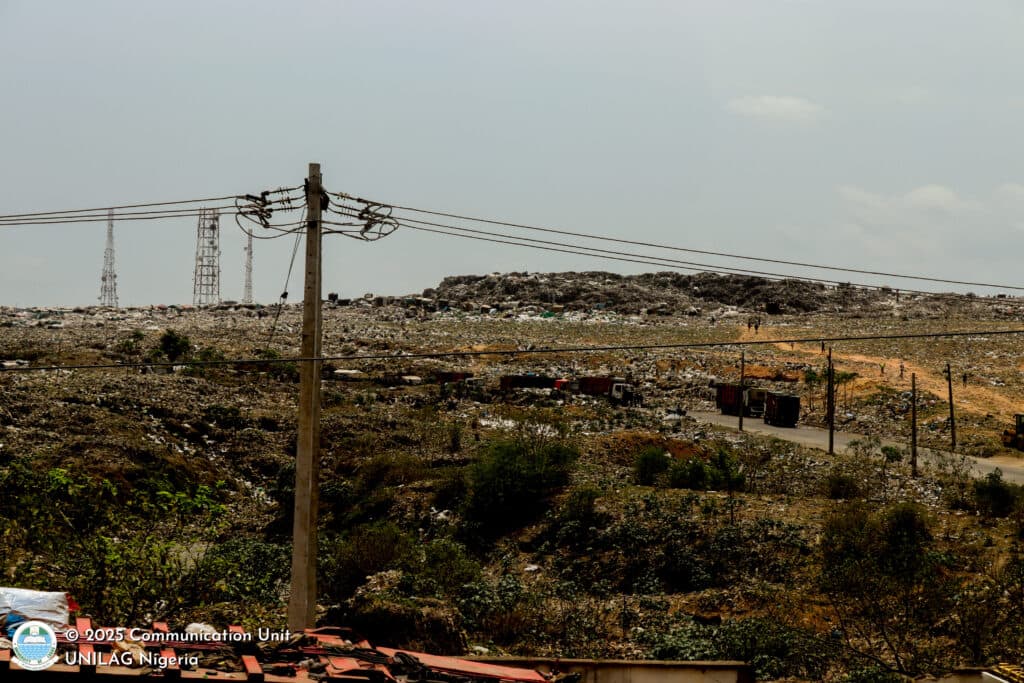
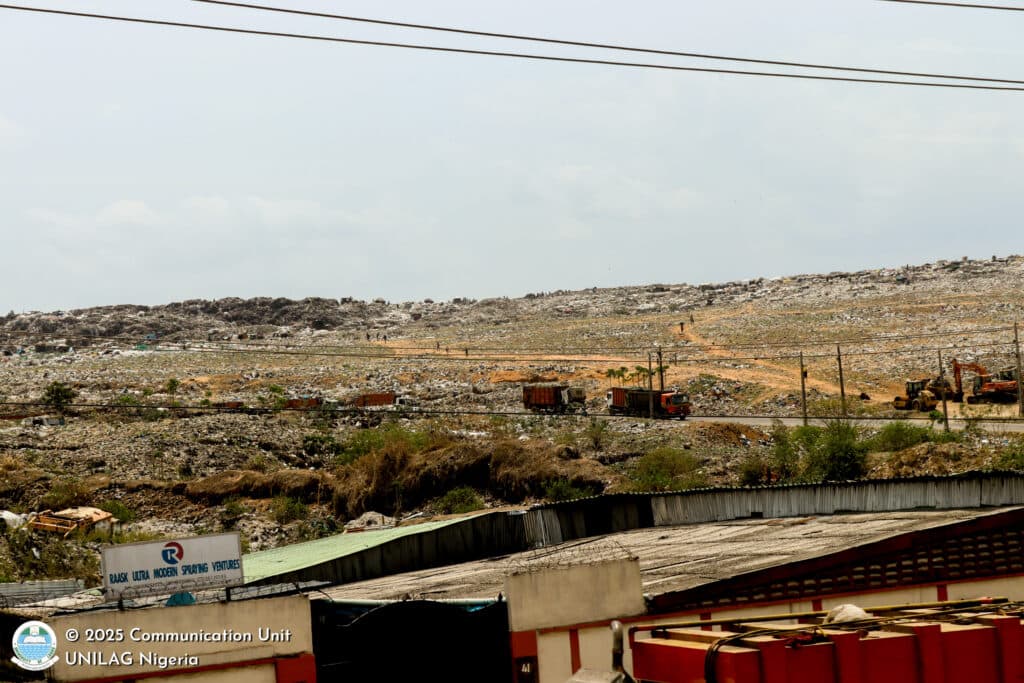
A view of an unmanaged dumpsite showing waste accumulation challenges.
Photograph of a managed dumpsite with visible waste control measures.
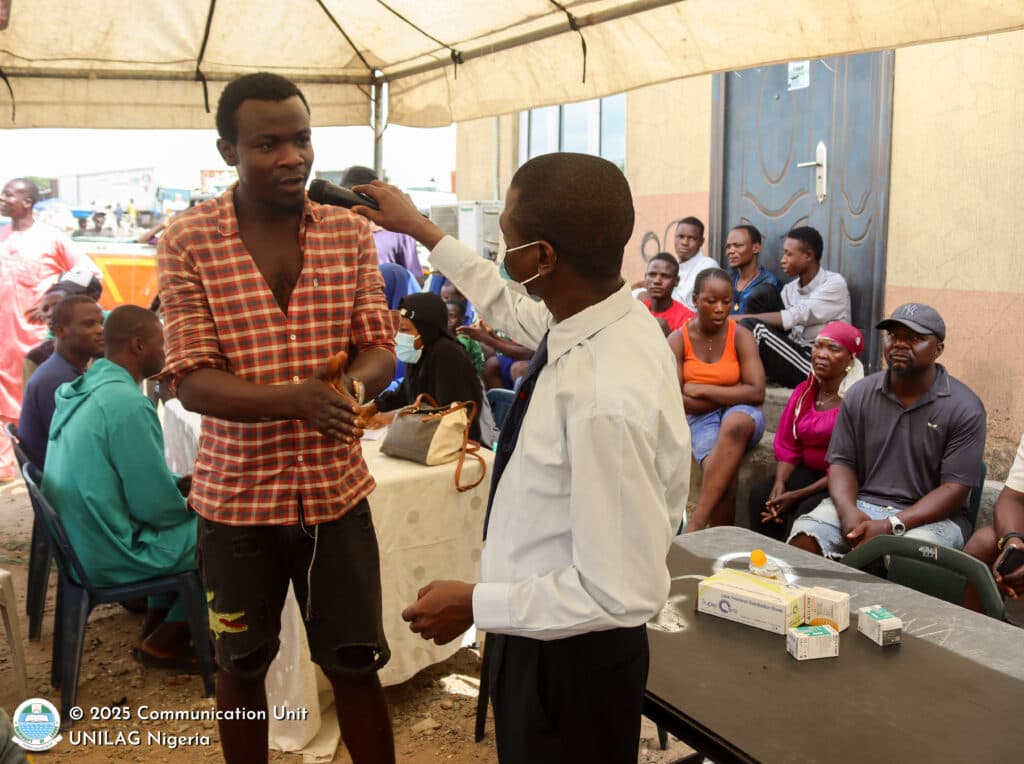
A health administration officer engaging with waste workersduring a waste management awareness session.
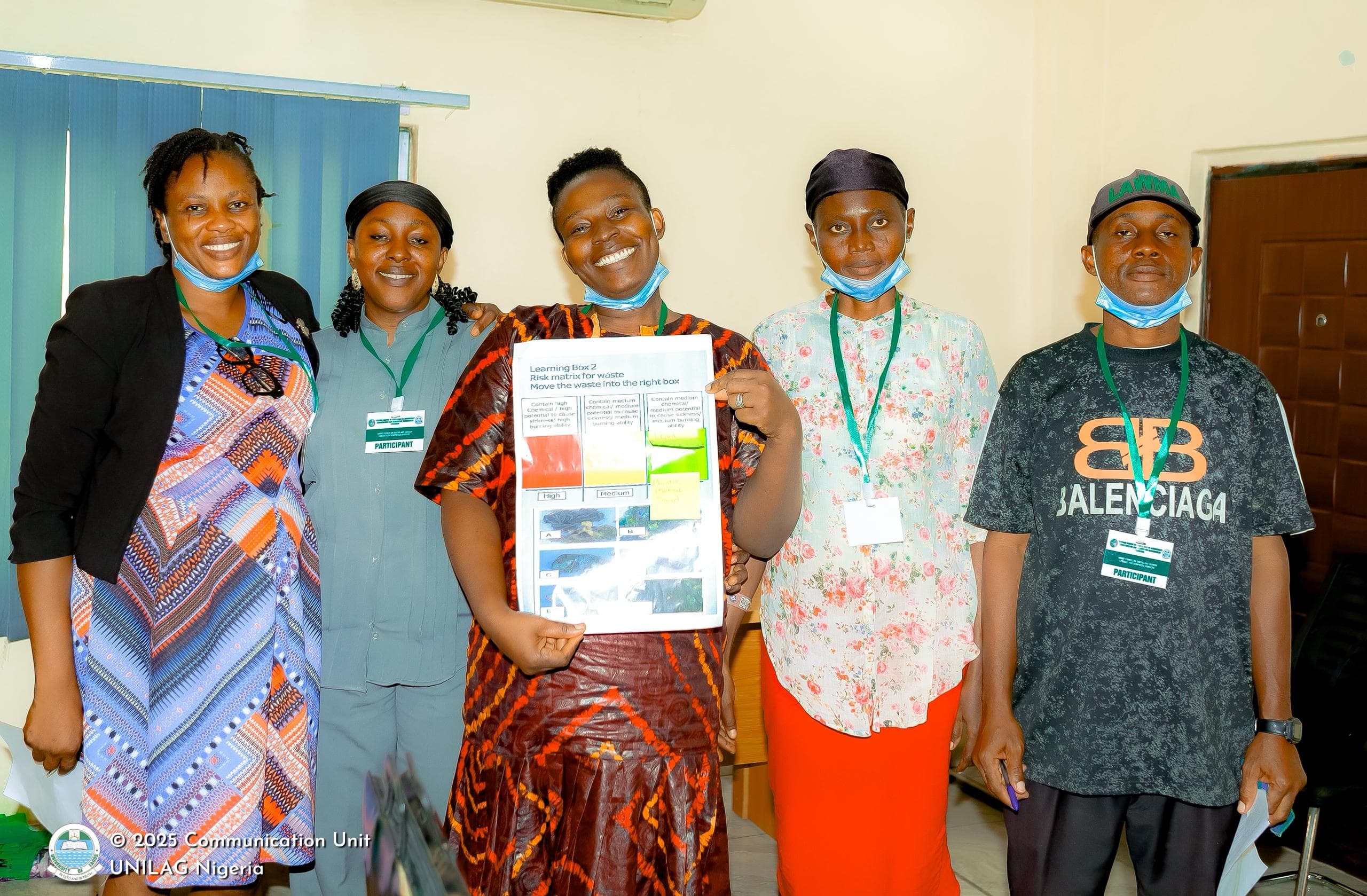
A group presentation on waste risk assessment for waste workers
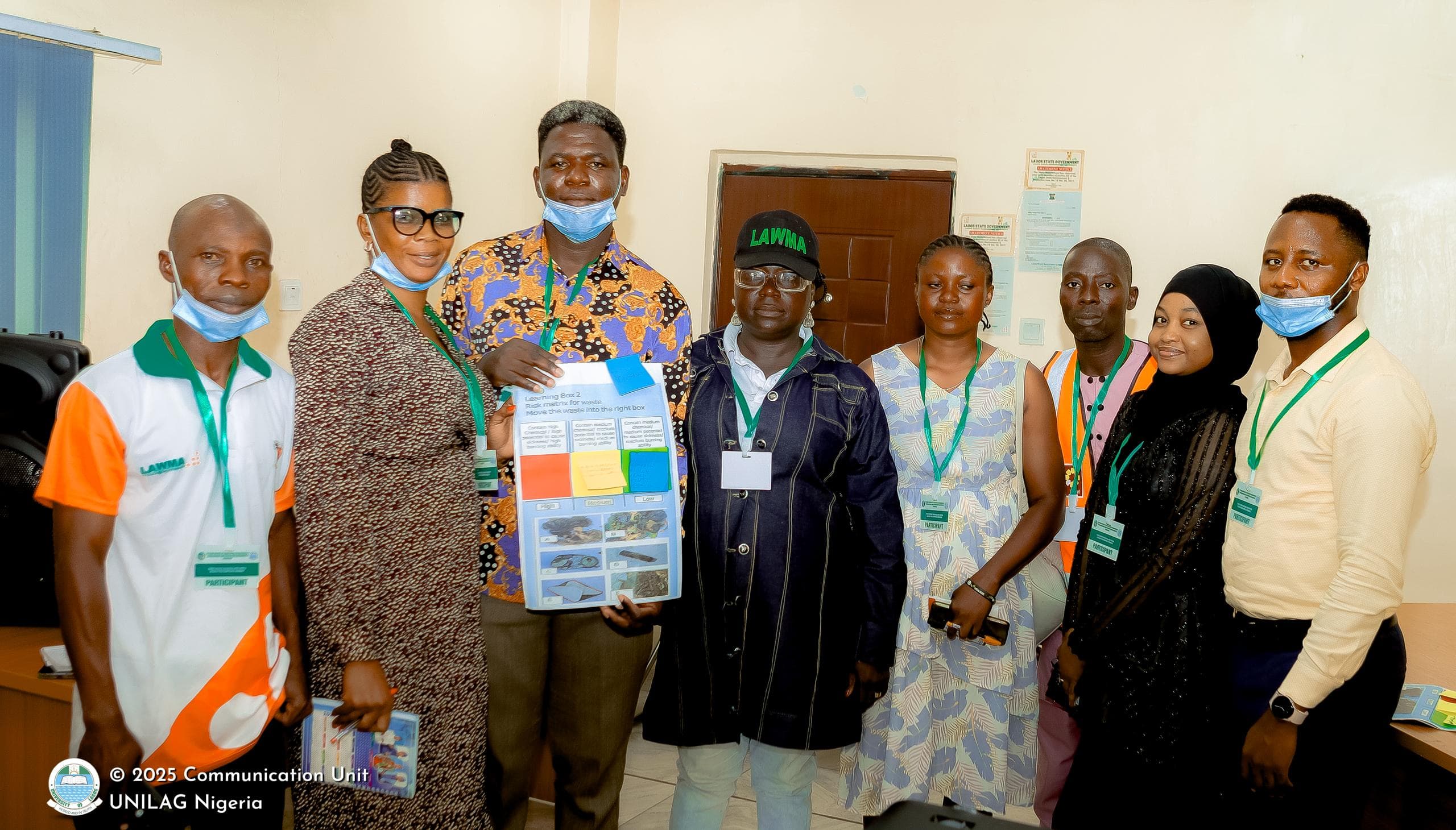
A group presentation during digital and carbon literacy training.
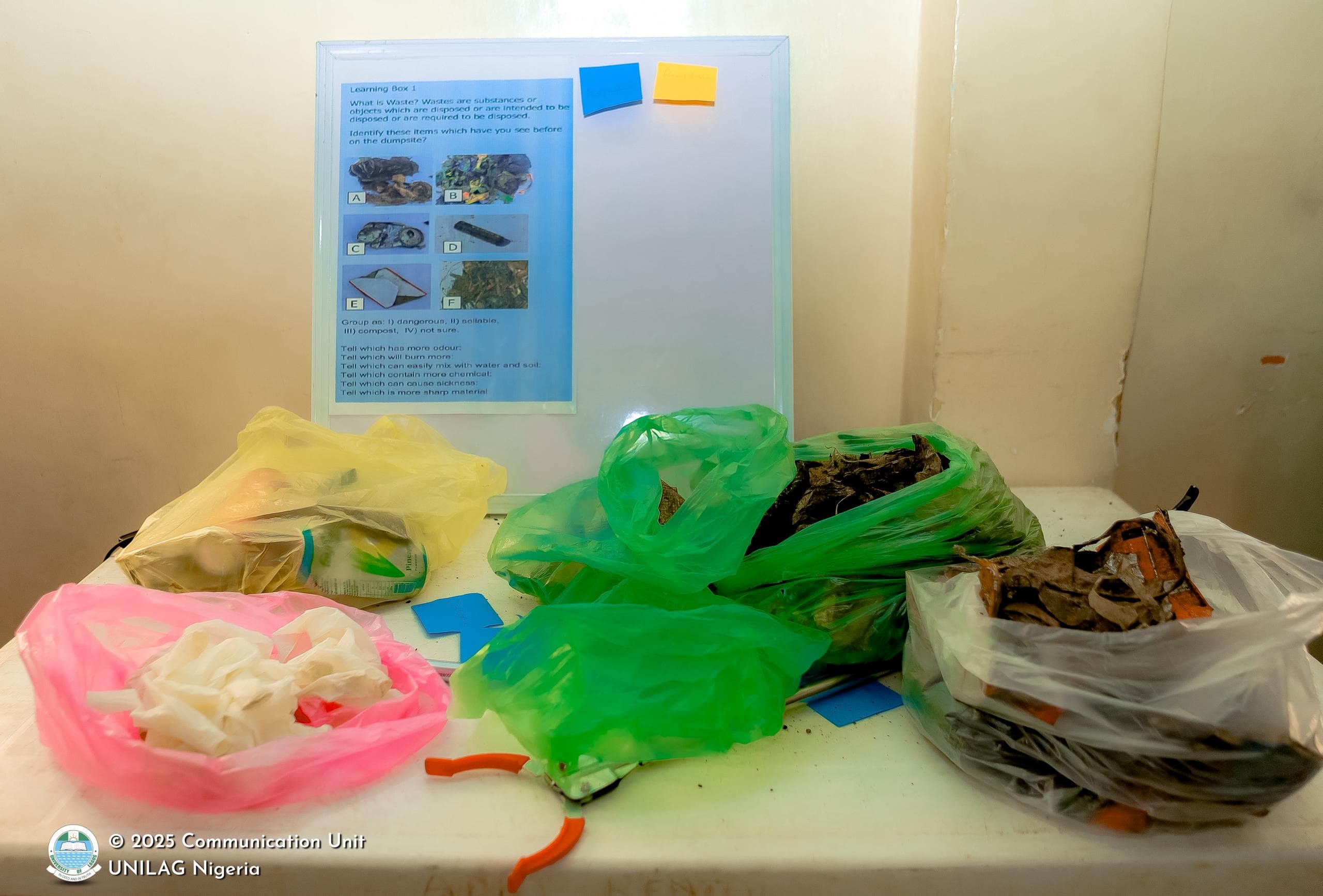
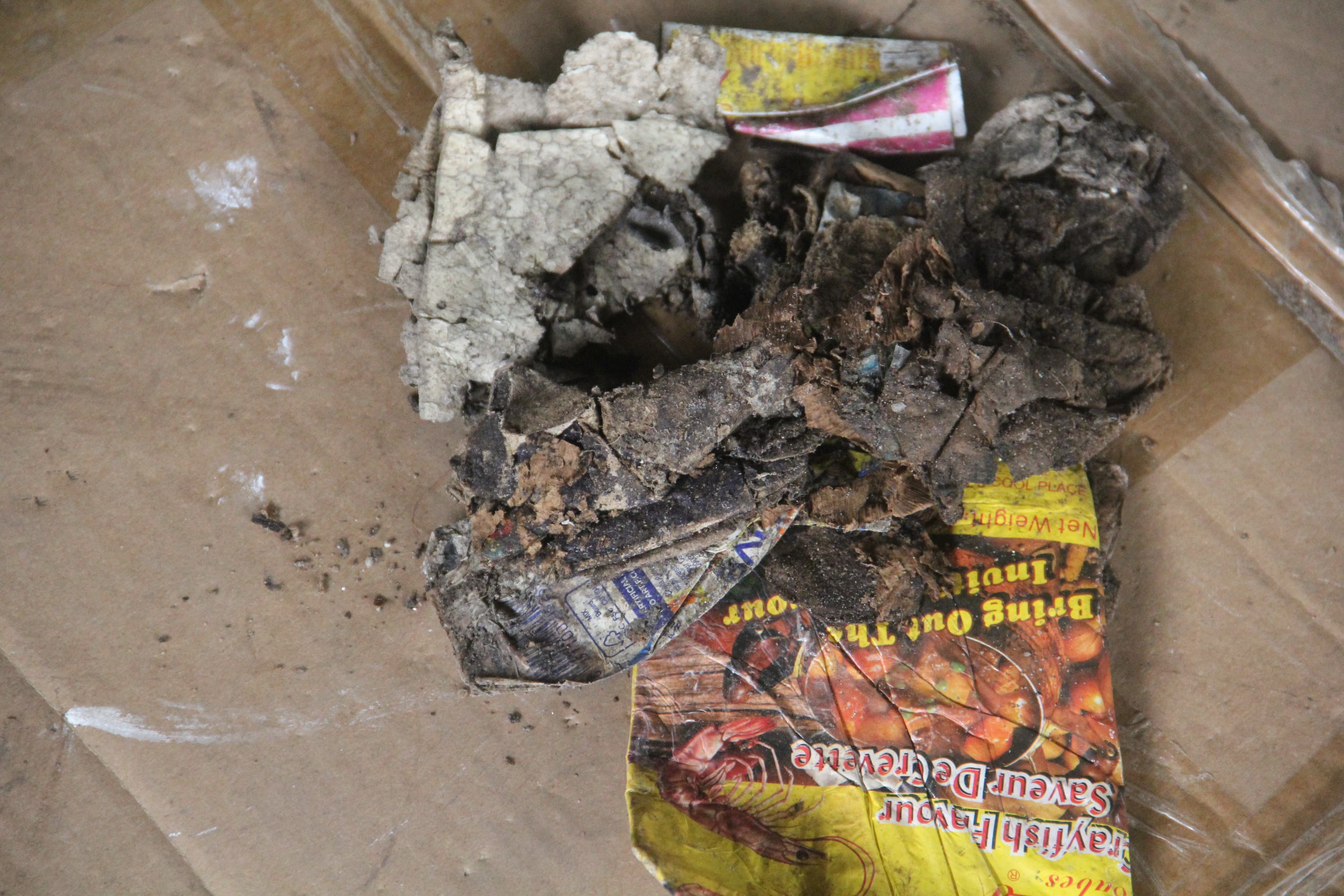
A close-up view of a waste sample for analysis during the traning session.
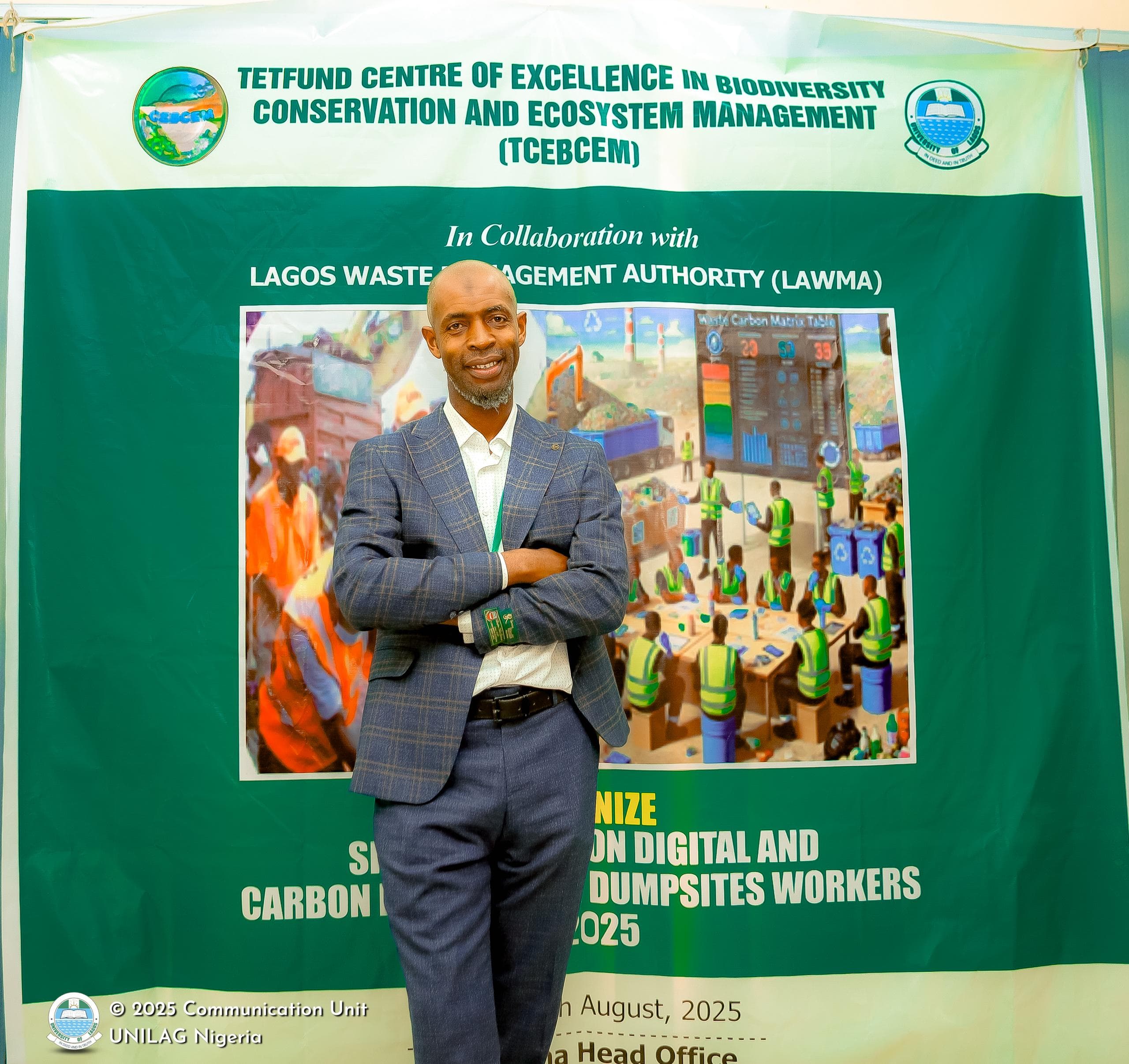
A environmental scientist conducting research on waste management practices.
Use the platform to capture activity, manage records, and support team coordination.